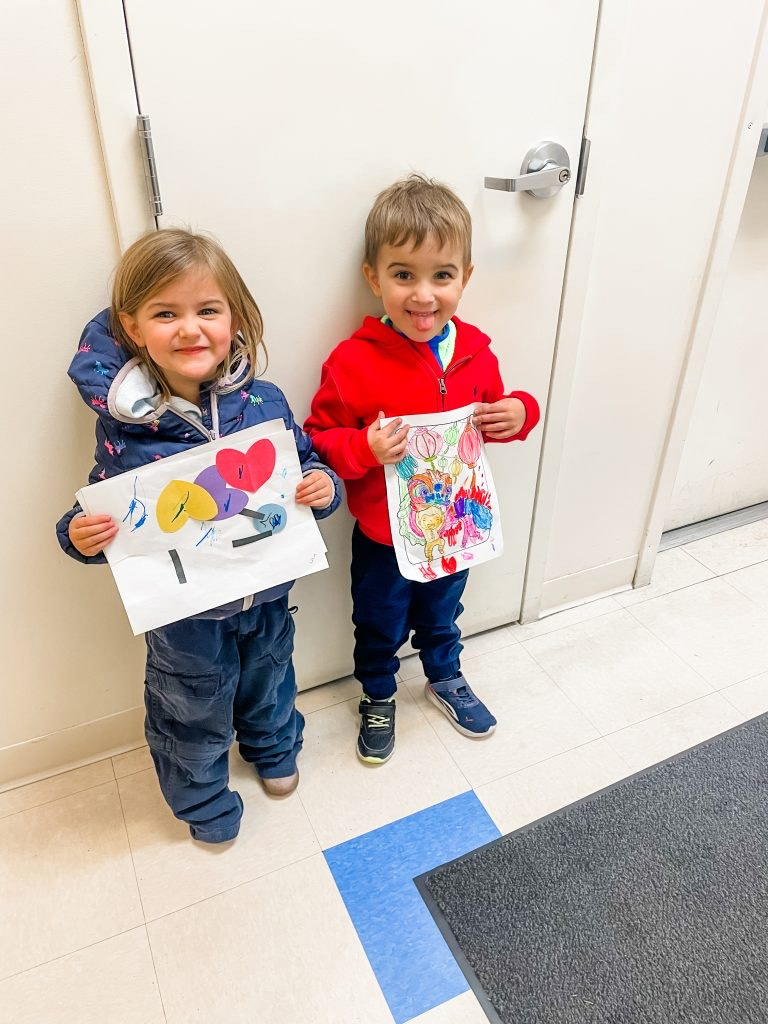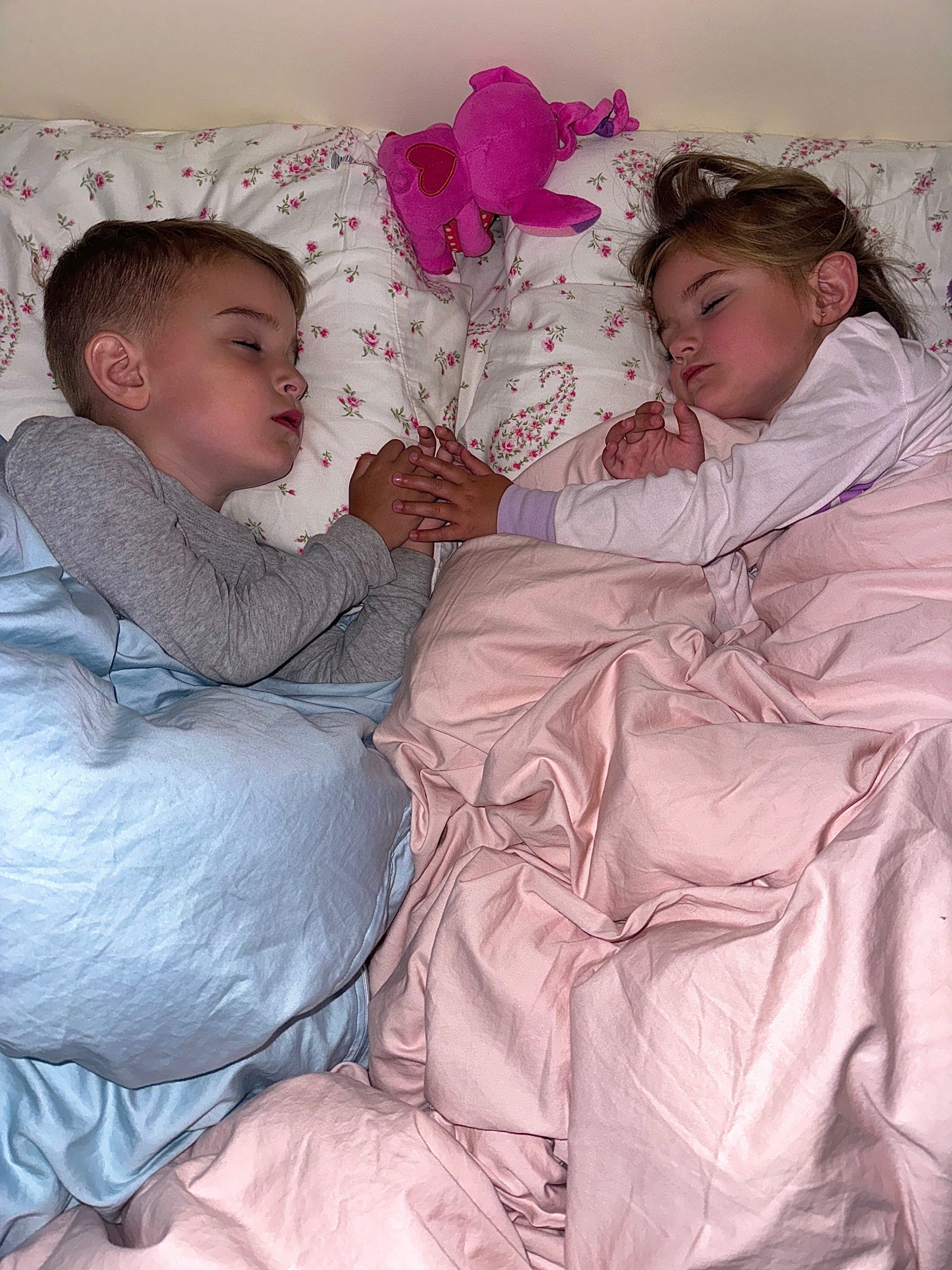



The transition to kindergarten can feel like a milestone that sneaks up on you.
One day, you’re buckling tiny shoes and wiping tears at drop-off. The next, you’re being handed class lists, school schedules, and lunch requirements—wondering how your child got so grown up, so fast.
As a mom of three, including twins, I’ve come to realize that kindergarten readiness isn’t about worksheets or knowing how to write their name perfectly. It’s about something far more foundational—and much of it quietly begins years earlier, in daycare and early learning environments.
When my children first entered daycare, I’ll be honest: it was emotional. There were tears (from all of us), rushed goodbyes, and a lot of internal questioning.
Would they feel safe? Would they make friends? Would they cope without me?
Those early drop-offs were my first introduction to what it really means to let go—just a little—and trust that growth often happens outside our arms.
Over time, something shifted. The tears lessened. Confidence grew. Familiar routines replaced uncertainty. And slowly, I began to see how these early transitions were laying the groundwork for something much bigger.
Daycare doesn’t just prepare children academically—it prepares them emotionally and socially.
In a structured early learning environment, children begin to learn how to transition between activities as part of a group, practice listening and following instructions, navigate friendships, conflict, and cooperation, build independence and self-confidence, and separate from caregivers in a healthy, supported way.
These skills are the invisible building blocks of kindergarten readiness.
By the time kindergarten approaches, many children who’ve experienced daycare already understand what it means to hang up their backpack, join circle time, wait their turn, and move through a day that isn’t dictated solely by home rhythms.
Children learn to advocate for themselves—asking for help, using their words, managing simple tasks, and building confidence in their own abilities. They begin to understand routines, responsibility, and the rhythm of a school-like day long before kindergarten officially begins.
This gradual exposure makes the kindergarten transition feel less overwhelming—for children and parents alike.
Daycare doesn’t just support children; it supports parents. It creates space to work, to breathe, and to reset—so that when we reunite at the end of the day, we show up with more patience, presence, and energy. That balance matters more than we often admit.
Children walk into the classroom already familiar with routines, group settings, and independence. And parents walk in knowing their children are capable, resilient, and ready to discover what comes next.
I can attest to this firsthand.
One of the most surprising things for me has been how naturally independence has unfolded over my twins’ first few months of kindergarten. There have been no tears at drop-offs (yet), and for the most part, the transition has felt remarkably seamless. They’re building new friendships, settling into their routines, and genuinely enjoying the structure and connection with their teacher.
Kindergarten hasn’t felt like a leap—it’s felt like a continuation of everything they were quietly learning all along.